

Tips and guides for lab protocols
Workflows, multi-timer strategies, and everyday lab tools for researchers.
Also see: best app for lab protocol tracking · best lab multi-timer app · best colony counter app · free online colony counter · free lab multi timer
 WorkflowMethodsReproducibility
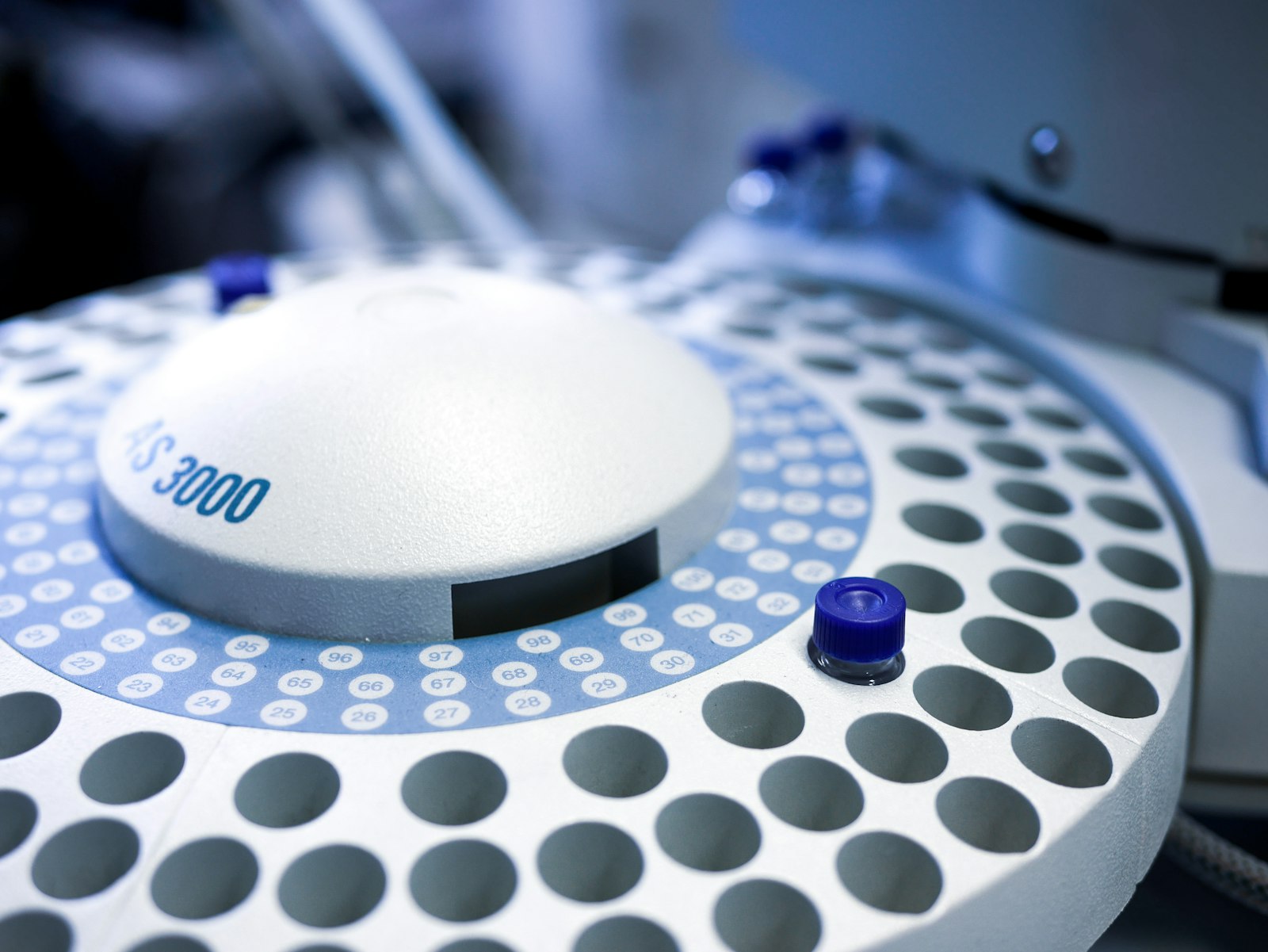
How to Document a Lab Protocol (So Your Results Hold Up Later)
What belongs in a written protocol versus a run record, which metadata matters for reproducibility, how to log deviations without drowning in notes, and how integrated tools like Dilution, Buffer, Converter, and Calculator support cleaner execution at the bench.
Read article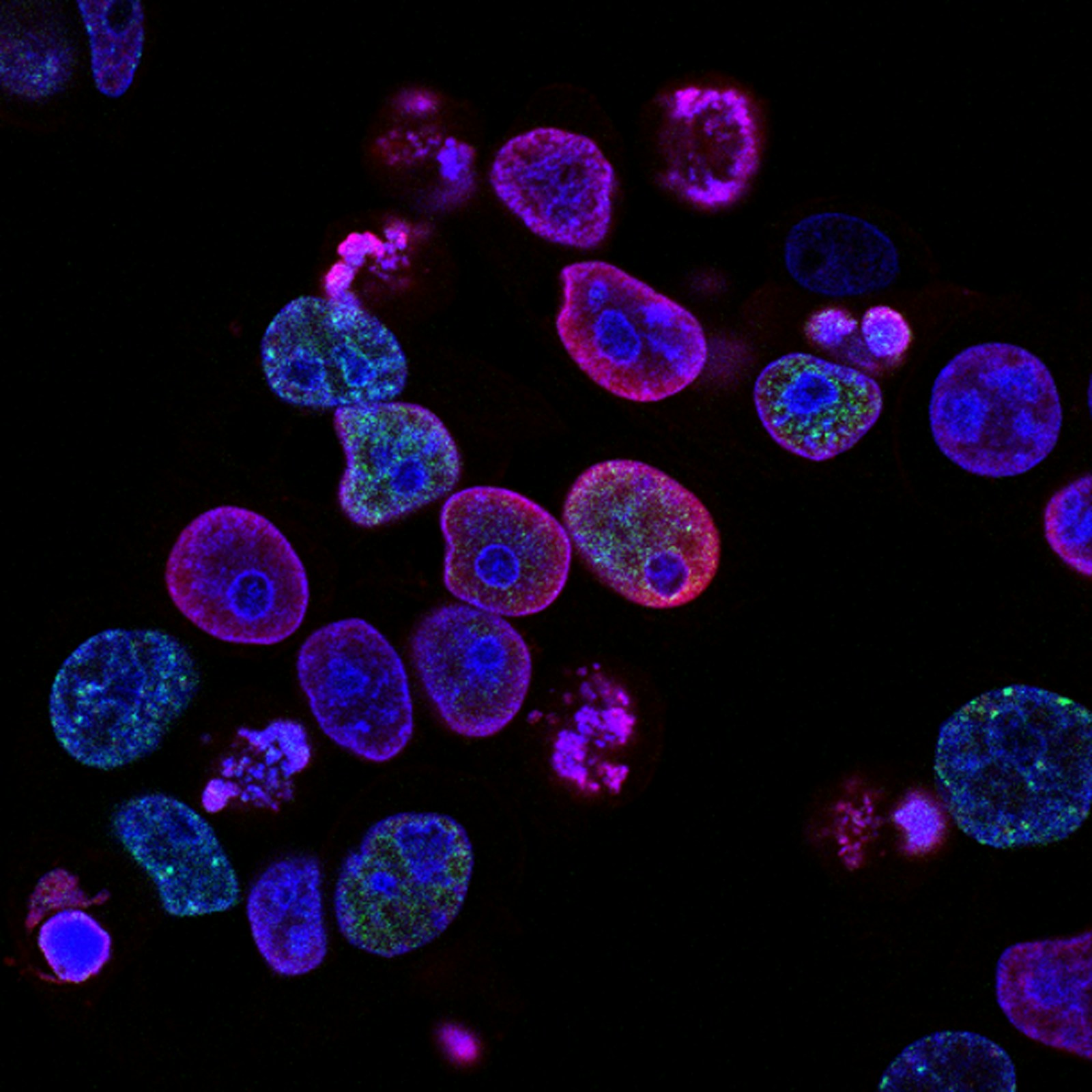 GuideWorkflowTips
How to Track a Protocol in the Lab — The Complete Guide for Researchers
A practical guide to lab protocol tracking: what to record, how teams stay aligned, when to move beyond paper, how tools compare, and mistakes to avoid—including Lab Laps for live multi-step runs with tools like Colony Counter, Cell Culture, Dilution, Buffer, and Calculator.
Read article ComparisonTipsWorkflow
Best Multi-Timer for Labs 2026 — Top Tools for Lab Protocol Timing
What makes a multi-timer lab-ready: steps, sync, and sharing. Compare generic apps to protocol-aware timers, plus built-in lab tools like Colony Counter, Cell Culture, Dilution, Buffer, Serial Dilution, Converter, and Calculator.
Read article ComparisonWorkflowReproducibility
Lab Experiment Tracker Comparison 2026 — Best Tool for Protocol Timing
Compare ways to track lab experiments: paper, phone timers, spreadsheets, ELNs, and protocol timers. Criteria for reproducibility, training, and multi-step runs, plus why built-in tools like Colony Counter, Cell Culture, Dilution, Buffer, and Calculator matter in daily workflows.
Read article TipsTeamCollaboration
Keeping Your Lab Team in Sync with Shared Protocols
Keep lab and field teams aligned on protocol timing—single source of truth, shareable timers, onboarding for rotation students, version discipline when methods change, handoffs across shifts, and practical use of built-in tools like Cell Culture, Dilution, Buffer, and Calculator.
Read article TipsWorkflowPCRqPCR
Lab Timer Workflow for PCR and Thermo-Cycling
Practical PCR and qPCR timing tips—cycle structure, 2-step vs 3-step programs, common mistakes, and how a lab timer complements your thermocycler, with supporting tools like Dilution, Buffer, Converter, and Calculator for prep and post-run steps.
Read article TipsWorkflowProtocols
How to Time Multi-Step Lab Protocols
A practical system for multi-step lab work—map dependencies, use synced timers for continuity, group long methods, and recover from interruptions, with integrated tools like Dilution, Buffer, Converter, and Calculator for faster bench decisions.
Read article